Robin Baillie: The Scottish Art Historian and Educator Behind a Quiet but Remarkable Career
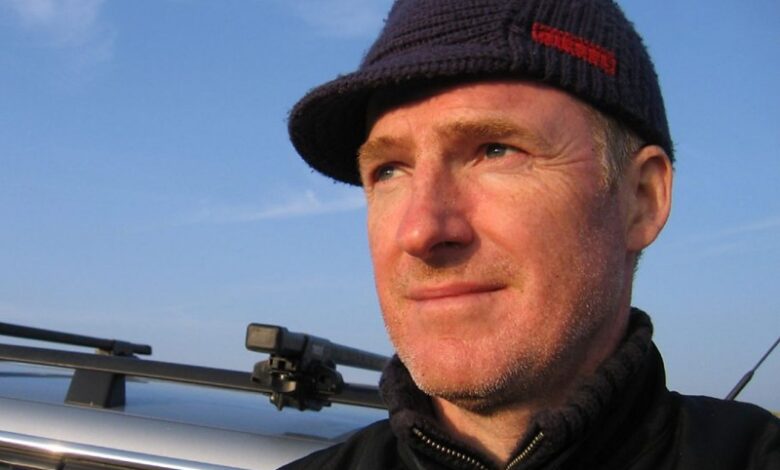
Robin Baillie is not a conventional public celebrity, yet his name has drawn increasing interest because of both his professional work in the arts and his connection to a well-known broadcasting family. While some people first encounter his name through Andi Oliver and Miquita Oliver, his own background reveals a serious and long-standing career rooted in art history, cultural education and public engagement.
He appears to be a man who has spent much of his working life helping others access and understand visual culture. That kind of career may not generate tabloid attention, but it carries a different form of significance. His work reflects commitment to education, historical understanding and widening participation in the arts. In a cultural climate where access to art can still feel unequal, that kind of contribution matters.
Robin Baillie Early Life and Background
A strong Edinburgh foundation
Robin Baillie was born and raised in Edinburgh, a city with a long and layered cultural history. That setting appears to have shaped many of his intellectual interests. Public biographical material describes him as someone deeply interested in urban history and in the marks left on cities by different social classes over time.
This is important because it suggests that his relationship with art is not purely aesthetic. It is also historical and social. He has shown an interest in how visual culture connects to place, class, memory and public life, which helps explain the direction of his later career in outreach and education.
Academic beginnings
He graduated from the University of Edinburgh in 1981 with a joint honours degree in Politics and Modern History. That academic combination points to a broad intellectual base, bringing together political structures, historical development and the interpretation of social change. It is easy to see how that background would later support work in art history and cultural education.
Robin Baillie’s Training and Artistic Development
From history to creative practice
After university, he moved to London and worked as a professional painter and sculptor for ten years. This part of his career is especially revealing because it shows he was not only someone who studied or taught art, but also someone who practised it directly.
Creative practice often shapes the way a person teaches and interprets visual culture. It can make the discussion of art more grounded, practical and intuitive. In his case, this period likely gave him firsthand insight into how artists think, make and communicate.
Postgraduate study and teaching
He later completed a postgraduate degree in Fine Art (Media) at University College London, adding formal advanced study to his creative experience. After that, he went on to teach art history at Edinburgh College of Art, which positioned him in a role that combined scholarship, explanation and critical discussion.
That movement from artistic practice into teaching reflects a broader professional identity: someone interested not only in making art, but in helping others understand and engage with it.
Robin Baillie and the National Galleries of Scotland
A long career in cultural education
One of the clearest features of his public profile is his long association with the National Galleries of Scotland. Since 2001, he has been linked with the institution, working in education and outreach roles and later serving as Senior Outreach Officer.
That title suggests a professional focus on access, engagement and inclusion. Outreach work in major cultural institutions is especially important because it connects collections to communities that may otherwise feel excluded from them. It is not simply about explaining paintings; it is about making people feel that art belongs to them too.
What his outreach work involves
Public descriptions of his work show that he has helped devise outreach programmes and manage teams focused on bringing art into wider public life. His interests include:
- collaborative art practice
- community engagement
- historical experience in collections
- making galleries relevant to young people outside major cities
This paints the picture of a thoughtful arts educator rather than a purely administrative figure. He appears to care deeply about how art is experienced by ordinary people, especially those who may not naturally see themselves reflected in elite cultural spaces.
Robin Baillie’s Intellectual Interests
Urban history and social meaning
A recurring theme in his public writing and biography is a fascination with urban history. He has expressed interest in how different social groups leave visible marks on towns and cities, from grand memorials to modern housing blocks.
That interest reveals a great deal about his perspective. He seems to approach culture not as something detached from everyday life, but as something deeply tied to the built environment, social power and historical aspiration. This gives his professional work a distinctive depth.
Writing and contribution
He has also contributed articles and exhibition-related writing, including work connected to public institutions and outreach projects. This suggests that his role has included reflection and interpretation as well as management and teaching.
Robin Baillie Children
The child most clearly and publicly associated with him is Miquita Oliver. Public sources identify her as the daughter of Andi Oliver and Robin Baillie. Because she is a well-known television presenter and broadcaster, this family connection is one of the main reasons many people now search for his name.
A careful view of family privacy
Beyond that, there does not appear to be broad public information about additional children. The safest public statement is that he is known as Miquita Oliver’s father. It is best not to go beyond what is clearly established.
Robin Baillie Andi Oliver
Robin Baillie is publicly known as Andi Oliver’s former partner and the father of Miquita Oliver. This family link connects him to one of Britain’s most recognisable food and broadcasting figures, but it should not overshadow his own professional life.
Why this relationship draws interest
Interest in this connection comes naturally because Andi Oliver and Miquita Oliver are both public figures. However, what stands out is that his own biography remains rooted in cultural education, art history and gallery work rather than media celebrity. That contrast adds to the public curiosity around him.
Why Robin Baillie Matters
He represents a type of cultural professional who often goes under-recognised. His work appears to sit at the meeting point of art, history, education and public access. Rather than building fame through visibility, he has built relevance through knowledge, commitment and institution-based work.
That gives his profile a quieter strength. He may not dominate headlines, but his contribution to arts outreach and education suggests a serious and meaningful career.
Final Thoughts
Robin Baillie’s story is one of scholarship, artistic development and long-term public service in the arts. From Edinburgh to London and back into Scottish cultural life, he has built a career shaped by history, creativity and a belief in widening access to visual culture. His role at the National Galleries of Scotland, his academic and artistic background, and his family connection to well-known media figures all combine to make him an increasingly interesting public figure in his own right.
Frequently Asked Questions
1. Who is Robin Baillie?
Robin Baillie is a Scottish art historian, educator and outreach specialist. He is known for his work with the National Galleries of Scotland and for his interest in art, history and public engagement.
2. Who is Robin Baillie’s daughter?
Robin Baillie is publicly known as the father of Miquita Oliver, the British television presenter and broadcaster.
3. What is Robin Baillie’s connection to Edinburgh?
Robin Baillie was born and raised in Edinburgh, studied at the University of Edinburgh, and later built an important part of his professional career in the city through arts education and outreach work.