Why are more people choosing professional aesthetic clinics for skin and wellness treatments?
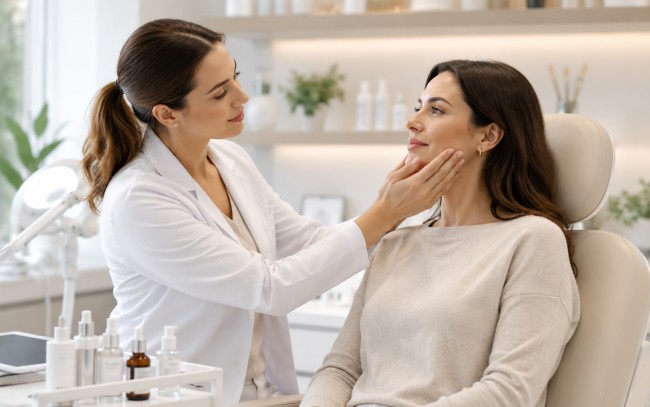
A friend of mine spent three years layering drugstore serums, watching YouTube tutorials at midnight, and convincing herself that the tingling meant it was working. It wasn’t working. What she got was a sensitized skin barrier, a bathroom shelf that looked like a Sephora stockroom, and a level of frustration I recognized immediately — because I’ve been there too.
She finally booked a consultation at a proper aesthetic clinic. One session in, and she understood more about her own skin than she had in three years of obsessive self-research. Three years. Let that sit for a second.
That story is more common than you’d think. And it gets at something real about why the shift toward professional aesthetic clinics is happening right now, not as a luxury trend for people with too much disposable income, but as a genuine recalibration of how people think about skin and wellness care. The whole category is changing, and the reasons are more interesting than “people have more money to spend.”
The DIY ceiling is real
Here’s the thing about the skincare industry: it is extraordinarily good at selling the idea that you can solve complex skin issues with the right product combination. A new serum, a better cleanser, some kind of acid with a name you can barely pronounce. And sometimes you can make modest progress. But there’s a ceiling, and for a lot of people, especially those dealing with anything beyond basic dryness, it arrives faster than the marketing would ever let on.
Hyperpigmentation that’s been sitting in your dermis for six years isn’t going anywhere because of a vitamin C serum, no matter how elegantly the packaging implies otherwise. Professional treatments go deeper, both literally and in terms of diagnostic precision. When a licensed provider examines your skin, they’re not triangulating from your Fitzpatrick type and a five-question product quiz. They’re reading texture, laxity, underlying tone, lifestyle context. The whole picture, assembled by someone who has spent years learning to look. That’s not something a serum can replicate. Not even close.
What does customization actually mean, though?
Generic skin advice has always been, if I’m being honest, a bit of a scam. “Drink water. Wear SPF. Sleep more.” Technically correct. Almost entirely useless for someone dealing with post-inflammatory hyperpigmentation, or hormonal acne that resurfaces like a bad tenant every month, or the particular kind of dullness that settles into your mid-thirties and treats your face like it owns the place.
What aesthetic clinics do well, and this is the part that genuinely excites me about the space, is construct treatment plans that are specific to the actual person sitting in the chair. Not a template pulled from a software system. Not a menu of services ranked by popularity. A real plan that accounts for your skin’s history, your aesthetic goals, and what your schedule and lifestyle actually look like in practice.
The treatments available now are also worth understanding side by side:
| Treatment type | What it targets | Typical approach |
| Chemical peels | Texture, tone, fine lines | Series of sessions, depth adjusted per skin type |
| Laser and light therapy | Pigmentation, redness, collagen stimulation | Targeted to specific concerns, calibrated intensity |
| Injectables (Botox, fillers) | Volume loss, expression lines | Small doses, natural placement, regular maintenance |
| Medical-grade facials | Hydration, congestion, overall health | Ongoing, preventive, not just reactive |
None of these are one-size-fits-all. That’s entirely the point, and frankly, it’s what separates a clinic worth returning to from one that’s just cycling you through a menu.
The “natural look” conversation has shifted
There was a moment, maybe five or six years ago, when aesthetic treatments called to mind a very specific visual. Overfilled. Frozen. Conspicuous in a way that announced itself from across a room. People steered clear of clinics partly because of that association. Understandably so.
That era is largely over. The dominant goal now, shared across both skilled providers and their patients, is results that look like you, just more rested, more even, more like the version of your face before exhaustion and time started collaborating against you. The best injectors talk about restoring rather than transforming, about working with the architecture of a face rather than overwriting it. Subtlety has become the craft, and honestly? The results are more compelling for it.
(I’ll admit I was skeptical of this shift for a while. It sounded like marketing language. But having seen the difference firsthand between clinics that operate this way and those that don’t, the distinction is real and it matters.)
If you’re somewhere like Florida and looking for a provider you can trust for long-term care rather than a single appointment, an aesthetic clinic Jacksonville with licensed medical staff and a genuine consultation-first approach is worth seeking out, rather than defaulting to whoever has the most aggressively curated Instagram presence.
What a good consultation actually looks like
Not a sales pitch. That’s the baseline, the floor, the bare minimum.
A real consultation involves someone asking about your history, examining your skin under proper lighting, walking you through what they’re seeing without jargon designed to obscure rather than inform, and then discussing options without pressure or urgency. Which sounds obvious. And yet.
Signs you’re in the right place:
- They ask about your lifestyle and stress levels, not just your current product lineup
- They mention what they wouldn’t recommend for you, not just what they happen to offer
- They set realistic timelines, because good results accumulate rather than appear overnight
- They don’t require a minimum spend to book a follow-up
The consultation is the treatment, in a way. Or at least, it’s the diagnostic that makes every subsequent treatment more intelligent. It also tells you everything you need to know about whether the clinic sees you as a patient or a transaction. Those two things produce very different experiences over time.
Wellness, not just aesthetics
Something worth saying directly: the best clinics have stopped treating skin as a vanity issue and started treating it as a health issue. Which it is. Your skin is your largest organ, and it works like a kind of broadcast system. Chronic inflammation, hormonal disruption, nutritional gaps, these show up on your face sometimes before they register anywhere else. Humbling, honestly. But also useful, if you know how to read it.
Providers who operate at the intersection of aesthetics and genuine wellness are asking better questions. And patients are showing up ready to answer them, which represents a real shift in what the appointment itself is even for.
That movement, from “fix my wrinkles” to “help me understand what’s actually happening with my skin and why,” is what makes this particular moment in aesthetic medicine genuinely interesting to watch. It’s less about chasing some frozen version of youth and more about developing a real, informed relationship with the skin you’re living in. That’s not a small thing.
Also Read
- Why Consumers Are Investing More in Daily Beauty Routines
- SOSU Cosmetics: Everything to Know About the Beauty, Tan and Skincare Brand
- Kash Beauty: The Rise of Ireland’s Fast-Growing Ethical Cosmetics Brand
- Merci Handy: The Rainbow Revolution Transforming Everyday Personal Care into Extraordinary Experiences
- DR Manrina Rhode: Leading Aesthetic Dentist, Entrepreneur and Clinic Founder
- Heloise Agostinelli: The French Model Blending Fashion, Beauty and Wellness