5 Reasons Visitors Should Go Beyond London
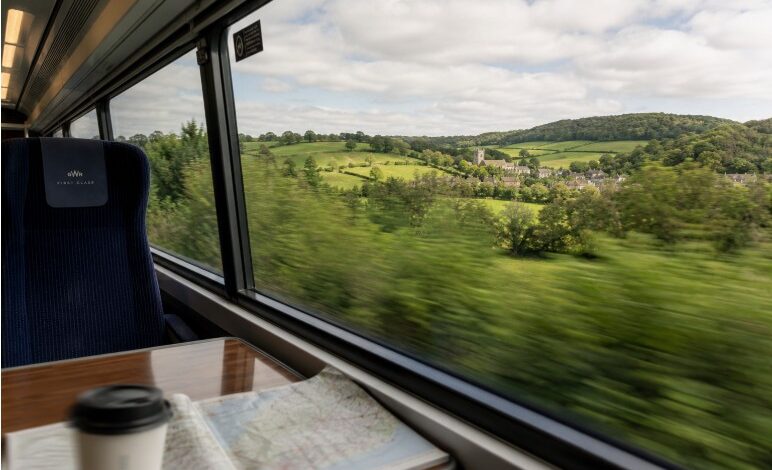
Planning things to do outside London requires focusing on five specific regional experiences: exploring preserved literary homes in Stratford-upon-Avon, walking ancient Roman sites like Hadrian’s Wall, dining in historic village pubs, hiking the dramatic Jurassic Coast, and utilising the regional train network for transit.
London genuinely deserves three or four days for its museums and neighbourhoods. Yet, stopping there means missing the environments that produced Shakespeare, Wordsworth, and the Brontës. These tips for first-time visiting England provide concrete reasons to venture into the countryside.
1. The Physical Literary Landscape
William Shakespeare’s connection to Stratford-upon-Avon remains tangibly intact, especially when viewing his burial site inside the 13th-century Holy Trinity Church, while further south in Bath, the Georgian terraces and the Pump Room provide the exact architectural backdrop Jane Austen documented during her residency.
Moving north to the Yorkshire Moors near Haworth reveals the precise, wind-swept environment that shaped Charlotte and Emily Brontë.
Because these historic points sit scattered across the country, building a cohesive itinerary requires careful routing. Booking luxurious England tour packages from Tenon Tours provides a structured starting point for customising a literary route.
These targeted trips can easily route you up to the Lake District, where William Wordsworth’s intact cottage at Grasmere sits near the exact walking paths he once documented.
| Key Insight: England’s literary landmarks aren’t behind glass; they are living landscapes where you can stand in the exact spots that inspired Shakespeare, Austen, and the Brontës, feeling their world firsthand. |
2. History Predating London By Millennia
Constructed between 3000 and 1500 BCE, Stonehenge stands in the open Wiltshire countryside without any modern urban backdrop, which means visitors observe the massive stone circles surrounded only by grass and sky.
Moving forward in time to 43 CE, the Roman occupation left permanent infrastructure heavily concentrated in Bath. The preserved Roman Baths contain the original lead-lined thermal pool and complex engineering centred around a steaming sacred spring.
Further north, Emperor Hadrian ordered a massive defensive barrier built across the width of the country in 122 CE, which means the Hadrian’s Wall Path now stretches 84 miles coast to coast, giving day hikers access to striking, highly preserved sections near Housesteads Fort.
3. Traditional Village Pub Food Culture
Ordering a Sunday roast inside a Cotswolds pub, under fireplace beams blackened by four hundred years of smoke, offers a vastly different meal than eating the same dish in a city dining room.
Rural communities still eat according to the local agricultural calendar, which means regional geography directly dictates what goes on the menu. Authentic Cornish pasties dominate the Atlantic coast, while independent microbreweries supply distinct ales across Yorkshire.
Travelling through Somerset lets you taste genuine Cheddar cheese in the specific village that shares its name, since coastal towns further north, like Whitby and Padstow, serve fish caught locally just hours before lunch. These establishments do not cater to tourist expectations, so the resulting culinary experience stays grounded in daily local life.
4. Coastal Drama With No Urban Equivalent
Cornwall features rugged Atlantic cliffs and historic fishing villages like Mousehole and Mevagissey, so reaching this remote southwestern tip takes roughly five hours by rail from London, demanding a planned overnight stay rather than a rushed day excursion.
Further east, Dorset’s Jurassic Coast showcases 185 million years of geological history sequentially exposed in dramatic cliffs and barrier beaches.
Specific rock formations like Durdle Door and Lulworth Cove make this deep geological record visible to anyone hiking the shoreline, while closer to the capital, the White Cliffs of Dover provide steep, chalky drops that overlook the water below.
Exploring these coastal areas requires parking the car, walking the cliff paths, and observing the changing tides up close.
| Important: Day-tripping to Cornwall from London is a mistake: the train takes five hours each way, leaving no time to explore. Plan an overnight stay to truly experience the coastal drama. |
5. Moving Easily Using The Train Network
Figuring out how to get around England often worries international travellers, so utilising the rail system quickly dissolves the concern. When planning a trip to England from the US, taking the train eliminates the stress of driving while providing rapid transit between distant counties.
Because the Great Western Railway runs frequent routes, a journey from London to Bath takes just 1 hour 19 minutes on the fastest service, bypassing highway traffic entirely.
While rail lines effectively connect the major cities, booking an England self-drive tour opens access to the isolated Yorkshire Moors and Cornish country lanes.
The most effective strategy combines both transit modes, relying on rail for rapid city-to-city movement and securing a rental car upon arrival for rural exploration, which ensures an England travel itinerary 10 days in length can comfortably cover the capital alongside two distinct regional environments.
| Pro Tip: Blend trains and cars: use the rail network for quick city hops (London Bath 1.5 hrs) and a rental car for rural gems like the Yorkshire Moors. This strategy unlocks the best of both worlds. |
Your Next Steps
A typical ten-day window realistically covers the capital plus two regional areas, provided those locations complement each other geographically. Bath pairs naturally with the Cotswolds, Yorkshire aligns with the northeast historical sites, and Cornwall connects smoothly with Dorset’s coastline, so attempting to mix all these distant corners into one rapid journey guarantees exhausting daily logistics.
The practical solution involves seeking out England holiday packages for international visitors that structure this sequencing in advance, much like the custom tour packages mentioned earlier.
Decide which specific regions carry the most appeal, whether that involves touring literary cottages, exploring ancient Roman walls, or hiking coastal paths. Once those geographic priorities are set, rely on a dedicated travel specialist to build a cohesive routing plan.
| Author Profile: Tenon Tours is the leading boutique tour operator of customised European journeys for curious travellers seeking authentic, meaningful connections. |
Also Read
- Holiday Architects: Crafting Tailor-Made Travel Experiences with Expertise and Passion
- Trafalgar Travel: A Legacy of Guided Excellence Across Seven Continents
- Chelsea Dickenson: From Student Radio Leader to the UK’s Trusted Cheap Holiday Expert
- Francisca Kellett: The Remarkable Career, Life and Influence of a British Travel Writer
- Nicholas Laing: The British Travel Entrepreneur Behind Steppes Travel
- Original Travel: The Story Behind a Leading Tailor-Made Luxury Travel Brand