6 Reasons Modern Homes Are Going Medieval
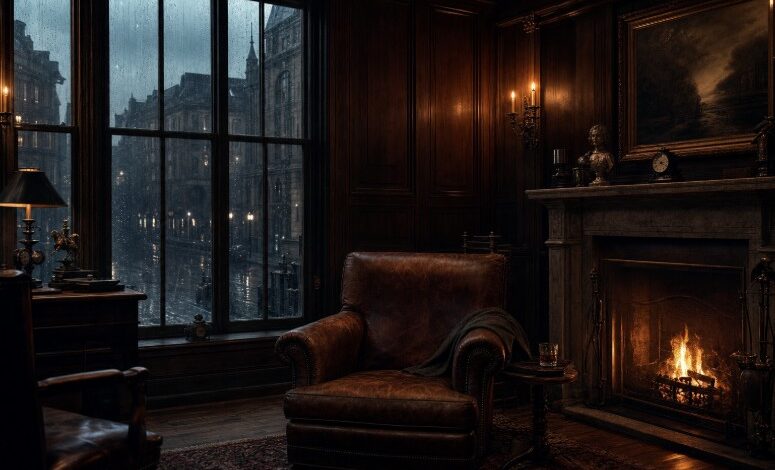
The medieval aesthetic home décor trend and the industrial interior design movement are converging in modern homes because buyers are rejecting interchangeable, flat-pack furniture. Spaces are instead anchored around exposed steel, heavy timber, and visible craftsmanship that demonstrate material integrity and permanence rather than disposable, seasonal styles.
A fourteenth-century knight and a Depression-era factory ironworker share no obvious historical DNA, yet their visual languages fill the same rooms. Both traditions rely on objects built to outlast the people who made them.
Spaces built on these principles feel earned over decades rather than assembled from a single seasonal catalogue. This shift toward weight and texture happens for six distinct reasons.
1. Minimalism Had a Good Run
After a decade defined by white walls, floating shelves, and a strict adherence to curated emptiness, many residential interiors now resemble short-term rentals waiting for their next occupant.
This cultural fatigue with stark environments generates a real appetite for visual substance. Rooms require a specific point of view to feel inhabited, prompting homeowners to trade neutral backdrops for objects that carry heavy physical weight.
The industrial interior design trend answers this exact appetite through exposed steel, reclaimed grain, and mechanical honesty. Incorporating a rustic industrial conference table from Knox Deco shows exactly how pieces once reserved for converted warehouse offices now anchor contemporary homes.
By centering a dining room around a substantial fixture, like a hand-crank cast iron base paired with a hardwood slab, homeowners immediately cure the fatigue of stark, floating environments.
| Key Insight: After a decade of white walls and curated emptiness, homeowners now crave rooms that feel inhabited, trading neutral backdrops for objects with physical weight and historical depth. |
2. The Screen Changed What We Want to Live In
The prestige-television era placed visually dense environments at the centre of aspirational storytelling, shifting baseline consumer expectations for interior spaces. Shows like Game of Thrones, The Witcher, and Peaky Blinders saturated the cultural consciousness with sets built around structural authority and heavy, irreplaceable objects.
Audiences absorbed an aesthetic language defined by rough textures and historical reference points. This exposure triggered a clear crossover effect, similar to how recent period dramas spiked mainstream sales of flat caps and three-piece suits. Search engine queries for “castle core” and “industrial loft” tracked directly alongside streaming viewership growth over the past five years.
Viewers extract the physical weight of those environments by integrating authentic period replicas into their homes. Mounting decorative medieval armour from Medieval Collectibles demonstrates how museum-quality craftsmanship now crosses into mainstream interior design, bringing cinematic, structural authority into a residential setting.
3. The Flaw That Became a Feature
Mass-produced furniture is engineered to erase all evidence of the manufacturing process, resulting in surfaces that communicate nothing about how the object came to exist.
A growing segment of the market rejects this sterilisation. These buyers actively seek out pieces where the underlying material remains fully visible rather than hidden behind a plasticised coating or a printed veneer.
In both medieval metalwork and industrial-era fabrication, the mark of making functions as the primary aesthetic. Welds, hammer marks, heavy rivets, and hand-forged surface variations serve as literal proof that an item was shaped by human hands under real physical force.
Heritage craftsmanship furniture relies on this visible process as a marker of authentic quality. The evidence of construction stays exposed, as those marks constitute the object’s biography.
| Pro Tip: Choose furniture where welds, hammer marks, and rivets remain visible. These marks are the object’s biography, proving it was shaped by human hands, not a printed veneer. |
4. From Living Room to Boardroom
These design languages translate naturally from residential properties into commercial spaces because they project tone-setting authority.
Converted warehouse offices, open-plan creative studios, and boutique hospitality dining rooms use bold office design ideas, like exposed structural steel and statement industrial lighting, to establish an atmosphere of permanence.
The rustic industrial furniture trend works well in these shared environments because heavy steel and reclaimed timber read as stable and unpretentious. A massive desk featuring a reclaimed hardwood surface and a visible cast iron base anchors a startup workspace without asking the surrounding architecture to explain its presence.
Pair a table like this with open shelving, exposed ductwork, and an industrial-provenance wall clock. Once those elements align, the room stops looking randomly assembled and starts looking firmly decided.
5. Things That Get Better With Time
The economic argument for these movements rests on longevity and material behaviour. Trend-cycle furniture typically begins to look dated within three years and structurally degrades within five, as engineered surfaces inevitably chip and peel.
Heavy, well-made pieces outlast these cycles by accumulating character through daily use rather than deteriorating under friction.
This durability traces back to the original logic of both design aesthetics. Medieval ironwork was built to survive localised combat and decades of rough storage, while industrial-era furniture was engineered for the vibrations of active factory floors.
Buyers of heritage craftsmanship furniture recognise that grain darkens, 16-gauge steel oxidises to a richer tone, and thick leather softens over time. They deliberately opt out of the three-year replacement cycle by choosing materials that record use rather than announcing wear.
6. The Space That Says Something
Distinctiveness holds serious standalone value in a market saturated with interchangeable options. A room that refuses to look like every other suburban layout requires a focal point that reorients the space around a commanding object.
The medieval aesthetic home décor movement serves this need through statement pieces that carry historical weight, demanding attention regardless of the viewer’s academic background.
The decorative armour interior design category has officially moved beyond the collector’s cabinet into a prestige residential application. A wall-mounted helmet positioned above a stone fireplace or a freestanding suit of armour in a corridor fundamentally changes the register of everything placed near it.
When combined with period ironwork and antique-style candelabra, cold-worked steel functions as an object with commanding physical presence rather than a theatrical prop.
| Quote: A single commanding object like a suit of armour or a heavy timber table reorients an entire room, providing distinctiveness in a market of interchangeable, mass-market furnishings. |
The Bottom Line
A wall-mounted breastplate dominating a study or a heavy communal table resting on a cast-iron base forces a room to operate on its own terms. Buyers who gravitate toward these aesthetics are not merely purchasing a visual style. They are adopting a firm position against disposable, interchangeable furnishings.
Material integrity separates these movements from the fleeting trend cycle. Real steel, thick timber, and visible craft marks require the occupant to commit to the physical reality of the object. Spaces built on these materials are declared rather than simply decorated, allowing the room itself to express a level of permanence that a flat-pack aesthetic can never imitate.
Also Read
- Rose Uniacke: The Quiet Luxury Designer Shaping Britain’s Most Elegant Homes
- Fiona Barratt-Campbell: The British Luxury Designer Behind FBC London
- Jo Roberts: From Artist to Beloved Antiques Expert on The Bidding Room
- The Life and Career of Tara Franklin: Expert in Antiques and Textile Restoration
- Why is Touring a Model Home Worth It Before You Build?
- Drew Pritchard: The Remarkable Journey of Britain’s Salvage Hunter