How to Plan Blog Content That Supports Long-Term SEO

Planning blog content for long-term SEO comes down to having a system before you start writing. Without one, most businesses end up publishing random posts and watching their traffic fade within weeks. That’s exactly what we help with at SEO Sandwich. We plan, write and optimise SEO content, backed by over 25 years of experience through Matter Solutions.
Our process starts by understanding what your business wants to achieve and what your audience is searching for. When those two line up, every blog post works harder in search engine results pages. In fact, marketers who make blogging a priority are 13 times more likely to see positive ROI.
In this article, we’ll walk you through how to build a content planning system that helps you create the right SEO articles. You’ll also learn how to organise them and grow organic traffic.
How to Build a Content Strategy Around Your Audience’s Needs
A content strategy works when it starts with your audience’s genuine problems, rather than a random list of blog topics. The closer your content is to what people need, the better it does in search and conversions.
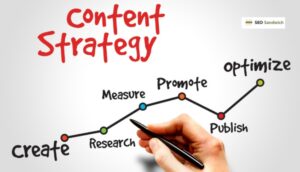
Let’s break down how to get there.
Start with Audience Personas Instead of Keywords
Before you open a keyword tool, figure out who you’re writing for. Audience personas are simple profiles of your ideal readers. They include details like:
- Common pain points
- The questions your readers ask before buying
- Where they are in the decision process
Once those profiles are in place, you can map content to each stage of the customer journey. For example, someone researching “what is SEO content planning” needs educational content. But someone comparing services is closer to a buying decision and needs comparison guides, case studies, pricing pages, or service pages. Your blog content strategy should match those stages so every piece reaches the right reader at the right time.
Use Keyword Research to Build Topic Clusters
After you understand your audience, keyword research shows you how they actually search. It tells you the exact phrases and questions people type into search engines, which gives your content team a clear direction. But targeting single keywords one at a time won’t build lasting visibility. You need to group relevant keywords into topic clusters instead.
Simply put, a topic cluster links one main page (called a pillar page) to several supporting articles on related subtopics. All of those articles then link back to each other, which helps search engines see your site as an authority on the subject.
In fact, sites using this approach see around 30% more organic traffic than those with standalone posts. This setup also prevents keyword cannibalisation. That’s when two or more of your own pages target the same term and end up competing against each other in search results.
Prioritise Content That Supports Business Goals
Not every blog post needs a high-volume keyword behind it. Some of your most useful content can connect directly to service pages, landing pages and lead generation goals.
To create a balanced content plan, mix evergreen content (articles that stay useful for years) with timely pieces on industry trends. For instance, a marketing agency might publish an evergreen guide on “How to Improve Local SEO” while also covering updates like new Google algorithm changes. And when choosing what to write next, weigh each idea against four things: business value, search opportunity, competition and conversion potential. This is how your business can still bring traffic a year later.
Create a Practical Content Calendar
Search engines reward consistency, and a content calendar helps you stay on track. We recommend planning your schedule monthly or quarterly. And include blog posts, service pages, landing pages, email marketing campaigns and social media posts all in one place.
From there, build a repeatable post creation process so your team isn’t starting from scratch each week. That means having templates for briefs, clear deadlines, and a review step before anything goes live. Good content management cuts down on missed deadlines this way and keeps a steady flow of relevant posts reaching your site.
How to Optimise Content for Long-Term SEO Performance
Content earns long-term rankings when it answers questions better than anything else on the first page. But hitting publish isn’t where the work ends. To keep that content performing, you need to optimise, track and update it when things change.

Here’s how to make every piece count.
Focus on Creating High-Quality Content
The simplest way to rank is to give readers a better answer than what’s already out there. That starts with going deeper into a topic, using real examples and covering angles that other articles missed. When you do this consistently, search engines will pick up on it. They’ll see your site covering a subject through connected SEO articles and start treating you as an authority on that topic. Our team has found that sites with this kind of depth rank faster for new content than those with scattered, disconnected posts.
Optimise Every Piece of Website Content
Even well-written content needs some technical polish to perform in search results. Most of these fixes are quick:
- Titles and Meta Descriptions: These show up before anyone clicks, so they need to be clear and specific. A well-written title with a relevant keyword can be the difference between a click and a scroll.
- Internal Linking: Every blog post should connect to related articles and service pages on your site. This helps readers find what they need and spreads authority across your pages at the same time.
- High-Quality Images: Stock photos that have nothing to do with the topic won’t help. Instead, use visuals that add context or explain a point the text alone can’t cover.
- Descriptive Alt Text: A short, accurate image description does two jobs at once. It supports screen readers for accessibility and gives search engines extra context about your content.
- Readable Structure: Long walls of text push readers away. Break things up with headings, short paragraphs and lists so people can scan and stay on the page.
Once you get these right, every piece of your content will have a better shot at reaching the audience it was written for.
Measure Content Success Beyond Rankings
A page-one blog post that brings in no leads or enquiries isn’t delivering much value. To understand how your content performs, use Google Analytics to track traffic, time on page, and conversions. You can also use Google Search Console to find pages that are close to ranking higher and may only need small improvements. The best way to measure content success is to connect your results to business goals like leads, email signups, and enquiries.
Refresh Existing Content Instead of Starting Again
Most businesses pour their energy into new articles while their old blog posts slide down in rankings. That’s a missed opportunity. HubSpot found that 76% of monthly blog views came from older posts that had been updated over time.
So before you start writing something brand new, take a look at what you already have. Refresh outdated stats, fix any broken links and add new sections where the topic has moved on.
If two articles cover similar ground, merge them into one stronger piece. But if a post is already doing well, you can expand it into a full topic cluster to capture even more organic traffic. In most cases, this kind of refresh delivers better long-term ROI than publishing from scratch.
Create a Content Marketing System That Supports Business Growth
A strong content marketing strategy isn’t something you set once and forget. It works best as an ongoing system where every blog post and service page has a clear purpose on your website.
Building that kind of system starts with:
- Understanding your target audience
- Choosing the right topics through keyword research
- Tying each piece of content to a real business goal
Once that foundation is in place, regular content audits will keep your website content competitive as search intent changes over time. AI tools can help speed things up along the way. But we believe experience and a genuine understanding of your readers are still what make content worth reading. So if you want help putting that system together, SEO Sandwich can help. We plan, write, and optimise content that ranks and keeps performing.