Laura Pidcock: From Labour MP to Declassified UK Director — A Complete Profile of Her Political Journey and Public Life
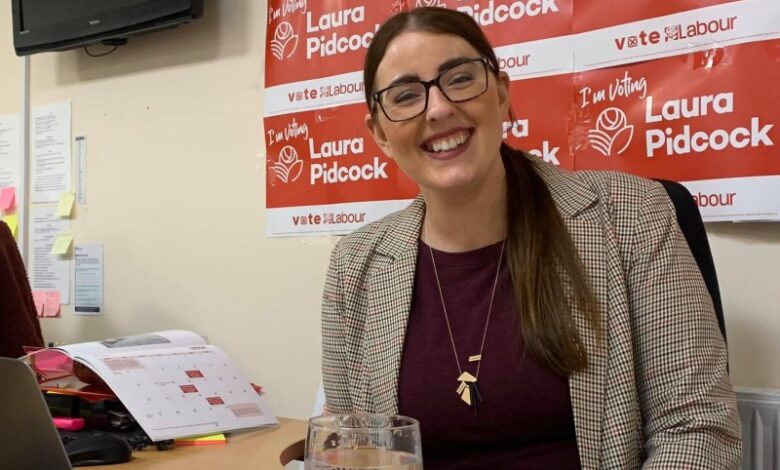
Laura Pidcock is a British former Labour Party politician, campaigner and media figure whose public career has moved from Parliament to political journalism and activism. Born on 19 August 1987 in North Shields, United Kingdom, she emerged as one of the most recognisable young voices on the Labour left during the Jeremy Corbyn era. Her politics, public image and later work have all been shaped by a strong focus on class, inequality and social justice.
Her upbringing and personal values appear closely tied to family and working-class identity. Public posts and statements show the importance of her parents in her life. Her mother is Mary Pidcock, while her father, Bernard, died several years ago, a loss she has spoken about with emotion and honesty. Those personal experiences seem to have deepened the sense of conviction that has long been visible in her public life.
Laura Pidcock Education and Early Professional Life
Before entering frontline politics, Laura Pidcock studied at Manchester Metropolitan University and Northumbria University Newcastle. Her education helped build the political awareness and analytical grounding that later informed her speeches, campaigning and public commentary.
Laura Pidcock’s Work Before Parliament
Before becoming an MP, she worked in roles linked to social care and education, including mental health support and anti-racism work. These areas of employment are significant because they connect directly to the themes she would later champion in politics: dignity at work, better public services, fairness, and support for vulnerable people.

Her early working life gave her credibility with many Labour supporters who valued representatives with real experience outside Westminster. Rather than arriving in politics through a conventional elite route, she built a profile as someone shaped by ordinary working life and political commitment.
Laura Pidcock in Parliament
Laura Pidcock served as the Member of Parliament for North West Durham from 2017 until 2019. Her election came at a time when Labour’s left wing was energised, and she quickly became associated with a new generation of outspoken socialist MPs.
Laura Pidcock as MP for North West Durham
As MP for North West Durham, she developed a reputation for direct language, emotional conviction and strong ideological clarity. She was not seen as a cautious political operator. Instead, she spoke in a way that appealed to people who wanted politics to sound more honest, passionate and rooted in lived experience.
Her maiden speech in Parliament drew wide attention and helped establish her as a prominent figure beyond her constituency. She spoke forcefully about inequality, class and the damage caused by austerity. That speech resonated with many supporters who felt that mainstream politics too often ignored the realities of poverty and insecurity.
Laura Pidcock in Jeremy Corbyn’s Shadow Cabinet
During her time in Westminster, she served as Shadow Secretary of State for Employment Rights in Jeremy Corbyn’s Shadow Cabinet. That role suited her political message, as employment rights, workplace fairness and economic justice were central to her public identity.
In this position, she represented Labour’s opposition stance on workers’ protections and conditions. Her profile grew as she became known not only as a constituency MP but also as a national Labour figure with a clear ideological position.
Laura Pidcock’s Political Beliefs and Public Image
Laura Pidcock is widely identified with the socialist left of British politics. Her public views have consistently focused on workers’ rights, anti-austerity arguments, class inequality and support for better-funded public services.
Why Laura Pidcock Stood Out in Politics
What made her distinctive was not simply policy language, but style. She spoke with intensity and conviction, often rejecting the polished neutrality expected in Westminster culture. Supporters admired her for sounding authentic and morally driven. Critics sometimes viewed her tone as confrontational, yet even opponents recognised that she projected certainty and belief.
Her politics were also shaped by a broader critique of power, privilege and established political structures. She often presented politics as a contest between entrenched interests and ordinary people, a framing that helped explain her popularity with many on the Labour left.
Laura Pidcock After the 2019 Election
Her parliamentary career ended after the 2019 United Kingdom House of Commons election, when she lost her seat. Although that defeat removed her from Westminster, it did not remove her from public life. Instead, it marked the beginning of a different phase in her career.
Laura Pidcock and Declassified UK
After leaving Parliament, Laura Pidcock became Co-Director of Declassified UK, a role that reflects her ongoing interest in challenging power and scrutinising the state. This position has placed her within a media and investigative environment rather than elected office, but the themes remain familiar: accountability, foreign policy, democracy and public interest journalism.
Her social media profiles identify her clearly as Co-Director of Declassified UK, showing that this is now a central part of her public identity. In addition, company records show her as a director of Declassified Media Limited, with an appointment date of 14 August 2025. That formal directorship underlines her senior role in the organisation and confirms that her post-parliamentary career is rooted in leadership as well as commentary.
Laura Pidcock on Social Media and Public Presence
Her public presence extends beyond political biography pages. On X, she appears under the handle @LauraPidcock, where she describes herself as Co-Director of Declassified UK. She has built a substantial following there, reflecting continuing public interest in her views and activity.
On Instagram, her account presents a similar picture, describing her as a former member of parliament and Co-Director of Declassified UK. Taken together, these platforms show how she has remained publicly relevant after leaving elected politics.
Laura Pidcock Partner
Laura Pidcock has never been married. She has one son, born in July 2018, with her long-term former partner, Daniel Kebede. Despite her public political profile, she has kept her personal life relatively private. Her social media posts, particularly those about her parents, reveal a more reflective and personal side—highlighting themes of gratitude, grief, warmth and strong family values.
Laura Pidcock’s Legacy and Ongoing Influence
Although her time as an MP was relatively brief, Laura Pidcock made a lasting impression on British politics. She became a symbol of a certain Labour moment: younger, more openly socialist, more class-conscious and more emotionally direct. Her move into media leadership suggests that her influence now operates through journalism, campaigning and public debate rather than through Parliament itself.
For supporters, she remains a principled and compelling voice. For observers of modern British politics, she stands as an important figure in understanding the rise of Labour’s activist left and its continuing presence beyond Westminster.
Frequently Asked Questions
1. Who is Laura Pidcock?
Laura Pidcock is a British former Labour Party politician and activist. She served as the Member of Parliament for North West Durham from 2017 to 2019 and later became Co-Director of Declassified UK.
2. How old is Laura Pidcock?
She was born on 19 August 1987, which makes her 38 years old as of 2026.
3. Was Laura Pidcock an MP?
Yes, she was a Member of Parliament for North West Durham between 2017 and 2019, representing the Labour Party.