Amol Rajan: The Remarkable Rise of a Fearless British-Indian Voice in Modern Media
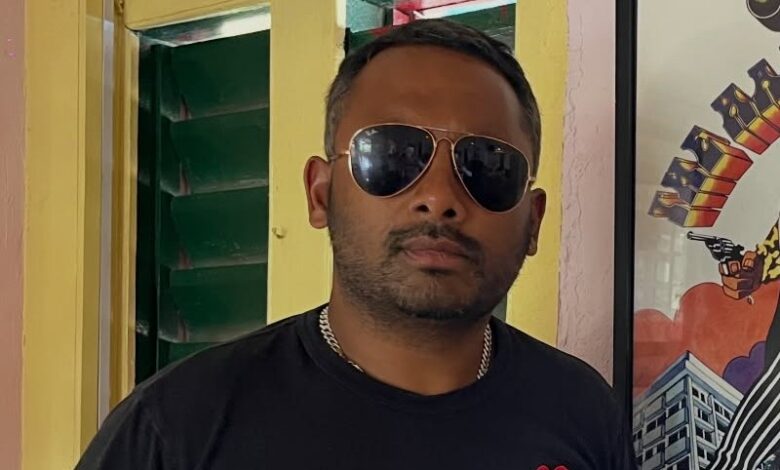
Amol Rajan has become one of the most recognisable and intellectually agile figures in British broadcasting. Known for his quick mind, direct interviewing style and ability to move between hard news, cultural debate and personal storytelling, he has built a career that stands out in a crowded media landscape. From editing a national newspaper in his twenties to becoming a major BBC presenter, his story is one of talent, ambition and cultural range.
What makes Amol Rajan especially compelling is that he is not simply a broadcaster reading a script. He is a writer, interviewer and public thinker with a strong sense of identity. His work carries traces of his upbringing, his education, his family history and his interest in ideas. That combination has helped him connect with audiences across television, radio, podcasting and social media.
Amol Rajan early life and family background
He was born on 4 July 1983 in Kolkata, India, and moved to Britain as a small child. He was raised in Tooting, south-west London, in a family shaped by migration, aspiration and hard work. His background has played a central role in the way he sees Britain and the wider world. He often reflects on belonging, identity and the experience of living between cultures.
His birth name is linked to Tamil naming customs, and over time the family adopted the surname Rajan. That detail may seem small, yet it says a great deal about adaptation, movement and the practical realities of immigrant family life in Britain.
Amol Rajan and the influence of his parents
His parents came from India and built a new life in the United Kingdom. He has spoken movingly about his father’s influence and about the emotional force of family memory. In recent years, that became even more visible in his deeply personal documentary journey to the Ganges, where grief, heritage and spiritual tradition met in a powerful and public way.
His mother has also appeared in his public reflections and social media posts, often in moments that reveal warmth, affection and cultural pride. Together, these family stories have given the public a fuller sense of the man behind the media persona.
Amol Rajan education and intellectual formation
He attended Graveney School in London before going on to Downing College, Cambridge, where he studied English. Cambridge was important not just because of the degree itself, but because it sharpened his instincts as a writer and journalist. He became involved in student journalism and developed the habits of analysis, argument and clear communication that later defined his career.
His affection for Cambridge has remained obvious. He has often spoken of particular places there with deep emotion, connecting them not only to education and ambition, but also to memory, family and loss. That emotional tie gives his public image a layer of sincerity that many media figures struggle to convey.
Amol Rajan career beginnings in journalism and television
Before becoming a familiar BBC face, he built his reputation through a series of roles that showed both versatility and hustle. Early on, he worked on Channel 5’s The Wright Stuff, gaining experience in television production and presentation. He also spent time in the Foreign Office during his younger years, which added another dimension to his outlook.
His major journalistic rise came at The Independent. He joined the paper in 2007 and worked his way through several roles, including reporter, sports correspondent, columnist and comment editor. This was a proper newsroom education, and it gave him a grounding in reporting, opinion, editing and deadline culture.
Amol Rajan as editor of The Independent
In 2013, he became editor of The Independent while still in his twenties. That appointment was widely seen as historic and symbolically important. He was young, energetic and different from the traditional image of a national newspaper editor. His elevation reflected not only personal ability but also a changing British media culture.
As editor, he represented a more modern face of Fleet Street. He also served during a period of major upheaval in print journalism, when digital change was forcing newspapers to rethink their future. That experience helped shape his understanding of media power, audience behaviour and the pressures facing legacy institutions.
Also Read:
Ros Atkins: The Calm, Clear Voice Transforming Modern BBC Journalism
Amol Rajan at the BBC
He joined the BBC in 2016 as its first media editor, a role that suited his mix of journalistic sharpness and industry knowledge. In that post, he covered the powerful organisations, platforms and personalities shaping modern media. He developed a reputation for asking difficult questions and for making complicated stories accessible.
This stage of his career strengthened his status as more than a presenter. He became a prominent interpreter of the media world itself, able to explain not only what was happening, but why it mattered.
Amol Rajan on the Today programme
In 2021, he joined the presenting team of BBC Radio 4’s Today, one of the most influential news programmes in the country. The role confirmed his position near the top of British broadcasting. On Today, he brought pace, confidence and a distinctly modern energy to a programme long associated with the traditional broadcasting establishment.
In early 2026, he announced that he would step away from the programme in order to pursue entrepreneurial work in the creator economy. Even so, the move felt less like a retreat and more like another reinvention in a career defined by range and momentum.
Amol Rajan and University Challenge
Since 2023, he has hosted University Challenge, taking over from Jeremy Paxman. It was a major appointment because the programme is one of British television’s best-known institutions. Replacing such a long-standing presenter was never going to be easy, yet he brought his own style rather than attempting a pale imitation of his predecessor.
His version of the programme feels brisk, clever and contemporary. It also suits his public character: educated but accessible, serious without being stiff, and intellectually engaged without feeling remote.
Also Read:
Dharshini David: From Economist to BBC Powerhouse and One of Britain’s Most Trusted Voices on Money
Amol Rajan as interviewer, author and podcaster
He has also become known for high-profile interviews and documentaries. His interviewing style tends to combine persistence with clarity. He can be warm, but he is rarely vague. That balance has helped him handle politicians, business leaders, celebrities and controversial figures alike.
His documentary work has shown a more personal register. The film centred on his father, grief and the Ganges revealed an emotional depth that broadened public understanding of him. It showed that he can move beyond conventional journalism into something more reflective and human.
Amol Rajan and Twirlymen
He is also the author of Twirlymen: The Unlikely History of Cricket’s Greatest Spin Bowlers. The book reflects his long-standing love of cricket and his gift for combining enthusiasm with storytelling. It also reminds readers that his interests go well beyond headline politics and media industry analysis.
Amol Rajan wife, children and personal life
He is married to Charlotte Faircloth, an academic whose work focuses on family, society, parenting and reproduction. They married in 2013 and have four children. While he is a public figure, he does not turn his family life into a spectacle. Instead, he offers occasional glimpses that suggest a thoughtful and affectionate home life.
Amol Rajan beliefs, identity and outlook
He has described himself as an atheist, yet he has also engaged seriously with religious ritual, especially through the lens of family memory and Indian heritage. That tension is part of what makes him interesting. He is intellectually sceptical, emotionally open and culturally rooted all at once.
Also Read:
Annabel Tiffin: The Trusted BBC Presenter Shaping North West News
Why Amol Rajan matters in British public life
Amol Rajan matters because he represents a modern version of public broadcasting and journalism. He is British and Indian, establishment and outsider, analytical and emotional, polished and still visibly searching. He can front a flagship radio programme, host a prestigious quiz show, write about cricket and speak with real feeling about grief, migration and family.
In a media age often dominated by noise, he brings curiosity and seriousness. His career so far suggests not just success, but evolution. Whether on air, on stage, in print or in podcast form, he remains one of the most distinctive media figures of his generation.
Also Read:
Roger Johnson: The Trusted BBC Broadcaster Behind North West Tonight and BBC Breakfast
Frequently Asked Questions
Who is Amol Rajan?
Amol Rajan is a British-Indian journalist, broadcaster and writer. He is widely known for his work at the BBC, including presenting the Today programme, hosting University Challenge, and leading major interview and documentary projects. He is also a former editor of The Independent.
How old is Amol Rajan?
Amol Rajan was born on 4 July 1983. As of April 2026, he is 42 years old.
When did Amol Rajan get married?
Amol Rajan married Charlotte Faircloth in 2013. Their wedding took place in Cambridge, and they now have four children together.
Also Read:
Kate Kinsella: The Inspiring Journey of a BBC Weather Presenter and Trusted On-Air Voice