Ros Atkins: The Calm, Clear Voice Transforming Modern BBC Journalism
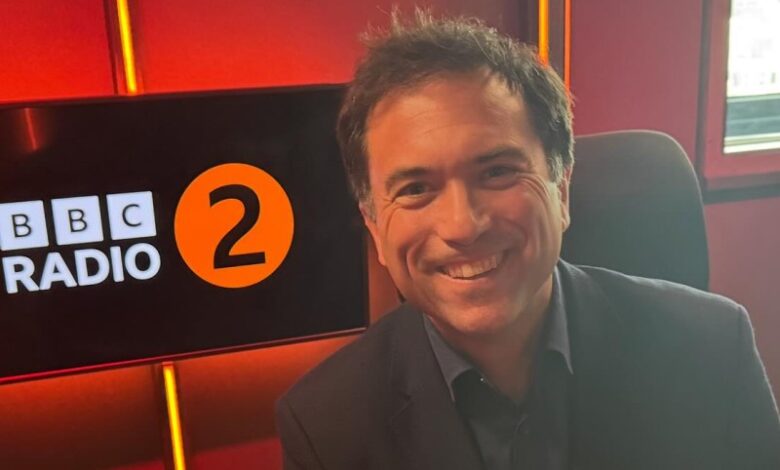
Ros Atkins has become one of the most recognisable and respected figures in British broadcasting. Known for his measured delivery, precise language and sharp analysis, he has built a reputation as a journalist who can make complex stories easier to understand without watering them down. At a time when audiences are flooded with noise, opinion and breaking updates, his style stands out because it is calm, factual and direct.
Best known as the BBC’s Analysis Editor, he is also the co-presenter of The Media Show, the creator and face of the well-known Ros Atkins on… explainers, and a long-serving BBC journalist with more than two decades of experience. Beyond the newsroom, he is an author, podcaster, drum and bass DJ and committed squash enthusiast. That mix of seriousness, clarity and personality has helped him connect with viewers and listeners across platforms.
Ros Atkins: early life, education and background
Born in 1974 in Cornwall, Ros Atkins grew up with influences that stretched beyond one corner of Britain. His upbringing included time in Cornwall and the Caribbean, experiences that gave him an outward-looking perspective from an early age. That global awareness would later shape much of his journalism, especially during his years on international broadcasting.
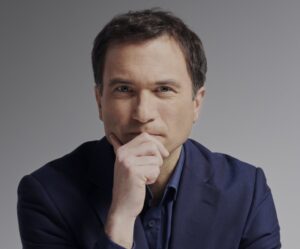
He was educated at Truro School before going on to Jesus College, University of Cambridge, where he read history. That academic background is visible in his work today. His journalism often shows a historian’s instinct for context, sequence and evidence. Rather than presenting events as isolated moments, he tends to place them within a wider chain of developments.
Ros Atkins before the BBC
Before joining the BBC, he built experience across research, radio and digital media. He worked as a researcher at the Centre for Policy Studies in Johannesburg from 1997 to 1998. In 1998, he was a presenter at Cambridge Cafe Radio. He then moved into digital editorial work, serving as editor at carlton.com from 1999 to 2000 and at timeout.com from 2000 to 2001.
These roles gave him a useful mix of political awareness, presenting skill and online editorial experience long before most broadcasters fully understood how important digital storytelling would become.
Also Read:
Dharshini David: From Economist to BBC Powerhouse and One of Britain’s Most Trusted Voices on Money
Ros Atkins at the BBC: a remarkable career journey
Ros Atkins joined the BBC in October 2001 as a producer on Five Live. From that point, he began a career that would develop steadily across radio, television and digital journalism.
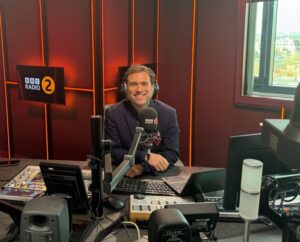
He worked as a producer on BBC Five Live from 2001 to 2003, then as a producer on BBC World Service radio from 2003 to 2004. From 2004 to 2006, he became a news presenter on the World Service. His next major role was as presenter of World Have Your Say on BBC World Service radio from 2006 to 2013, a programme known for engaging audiences across the world in discussion and debate.
Ros Atkins and the move into global television
His broadcasting profile grew further when he became a news presenter on BBC World News TV between 2010 and 2014. He then took on a prominent role as presenter of Outside Source on BBC World Service radio from 2013 to 2015, before fronting Outside Source on BBC World News and the BBC News Channel from 2014 to 2023.
That programme became central to his development as a distinctive broadcaster. It gave him the space to blend breaking news with explanation, context and visual storytelling. Over time, that approach evolved into the explainer style that would later make him widely known to digital audiences.
Ros Atkins as BBC News Analysis Editor
In 2022, he became BBC News Analysis Editor, a role that formalised what many viewers already recognised in his work. He was not simply presenting headlines; he was helping audiences understand what events meant, how they fitted together and why the details mattered.
He also became co-presenter of The Media Show on BBC Radio 4 in 2021, further expanding his role as one of the BBC’s leading voices on journalism, media and communication.
Why Ros Atkins explainers became so influential
One of the biggest reasons for Ros Atkins’ popularity is the success of his explainer videos. These short, tightly structured pieces are designed to break down complicated stories into clear, digestible parts. They are not flashy, theatrical or overloaded with opinion. Instead, they rely on facts, order and disciplined communication.
His method feels particularly effective in the digital age, where audiences are often overwhelmed by scattered information. He has shown that there is a large appetite for journalism that is firm, fair and easy to follow. His style has sometimes been described as assertive impartiality: a way of being direct about what is true while remaining grounded in evidence rather than emotion.
How Ros Atkins uses communication as a craft
What makes his delivery different is the attention he gives to wording, pace and structure. He has clearly treated explanation not as an afterthought, but as a craft in its own right. That approach has helped his videos travel far beyond traditional TV audiences and gain strong attention online.
Ros Atkins and the recognisable visual style
He has even developed a recognisable visual identity. His consistent use of blue shirts and jackets became part of the look of the explainers, making them instantly familiar when they appeared in viewers’ feeds. It is a small detail, yet it reflects how carefully his journalism is put together.
Also Read:
Adam Fleming: The BBC Broadcaster Behind Newscast and Modern Political Journalism
Ros Atkins beyond broadcasting: book, podcast and documentaries
Ros Atkins is not limited to newsroom presenting. He is also the author of The Art of Explanation: How to Communicate with Clarity and Confidence. The book builds on the same principles that have made his journalism so effective. It explores how to express ideas clearly, cut through confusion and deliver information with purpose.
He has also been involved in podcasting. He created the six-part series Texting Keith Olbermann, an unusual and personal project based on a text relationship with the American news anchor Keith Olbermann. More recently, he has also been associated with the Communicating… podcast, extending his interest in how people share ideas and connect with audiences.
His documentary work adds another layer to his career. Among the projects linked to him are Living with Tourists in 2010, Sharing it All in 2013 and All That Stands in the Way in 2014. These works show his interest in people, social questions and the human side of public issues.
Ros Atkins and the 50:50 Project
One of the most meaningful parts of his professional legacy is the 50:50 Project. He founded and led the initiative from 2016 to 2020 after beginning it on Outside Source to improve the representation of women in journalism. What started as an effort within one programme grew into a much bigger movement across the BBC and beyond.
The project became known as one of the largest collective efforts to improve representation in media content. Its impact spread across numerous organisations and countries, showing that newsroom culture can change when goals are measured, monitored and taken seriously.
Also Read:
Roger Johnson: The Trusted BBC Broadcaster Behind North West Tonight and BBC Breakfast
Ros Atkins wife, family and interests
Ros Atkins lives in south London with his wife, Sara, and their two daughters. That family life has appeared in small but memorable ways in interviews, including stories about working from home, setting up a makeshift studio and involving his younger daughter in practical tasks during broadcasts.
He is also known for his interests outside journalism. He is a squash enthusiast, though injury has affected his ability to play at times. He enjoys running, cooking and football, and he has spoken about following Dulwich Hamlet and Plymouth Argyle.
Ros Atkins as a DJ and Rave Machine figure
Another side of him that surprises many people is his connection to drum and bass. Ros Atkins has been a DJ and has publicly embraced that part of his identity. He is linked with Rave Machine, which has become part of his modern public profile. This musical side adds energy and individuality to a broadcaster otherwise known for careful analysis and controlled delivery.

Rather than feeling contradictory, it makes him more rounded. He is serious about journalism, yet clearly has a life beyond the studio.
Also Read:
Kate Kinsella: The Inspiring Journey of a BBC Weather Presenter and Trusted On-Air Voice
Why Ros Atkins matters in British media
Ros Atkins matters because he has shown that clear journalism can still cut through. In an era of confusion, clutter and constant reaction, he has built trust by doing something simple but difficult: explaining things well. His career path, from researcher and early digital editor to BBC Analysis Editor, reflects steady development rather than overnight fame.
He represents a form of journalism that values clarity without dumbing things down, precision without coldness and authority without bluster. Whether he is presenting The Media Show, writing about communication, leading explainers or stepping behind the decks as a DJ, he brings focus and distinctiveness to what he does.
Ros Atkins is more than a presenter. He is a modern communicator whose work has helped redefine how public service journalism can reach audiences today.
Frequently Asked Questions
Who is Ros Atkins?
Ros Atkins is a British journalist, presenter and BBC News Analysis Editor. He is widely known for his clear explainer videos, his work on The Media Show, and his long career across BBC radio, television and digital journalism. He is also the author of The Art of Explanation.
How old is Ros Atkins?
Ros Atkins was born in 1974, so he is 51 or 52 years old in 2026, depending on his birthday.
Who is Ros Atkins’ wife?
Ros Atkins’ wife is Sara. He has spoken publicly about her in interviews, and they live in south London with their two daughters.
Also Read:
Amol Rajan: The Remarkable Rise of a Fearless British-Indian Voice in Modern Media