6 Simple Ways Nesting Quietly Fixes Your Home
The nesting trend home movement transforms residential spaces from mere sleeping quarters into active primary venues for social life, personal identity, and creative pleasure. People are reassessing their floor plans and weekend habits, choosing to deliberately shape their environments rather than treating them as passive backdrops.
When households start prioritising this immediate environment, the first adjustment usually involves evaluating where daily spending actually goes and what tangible comfort it returns.
1. Staying In Is the Smarter Spend
Persistent cost-of-living pressures have made a standard night out genuinely expensive, especially since away-from-home expenditures reached nearly 58.9 per cent of total food spending in 2024. This mathematical reality drives households indoors, where families now focus on making a long-term home comfort investment.
The same economic logic that cuts restaurant spending also pushes people away from cheap living room sets that require full replacement every three years.
Buyers are increasingly seeking the best furniture for family home environments by looking at modular makers and direct-to-consumer brands that back their frames with multi-year guarantees.
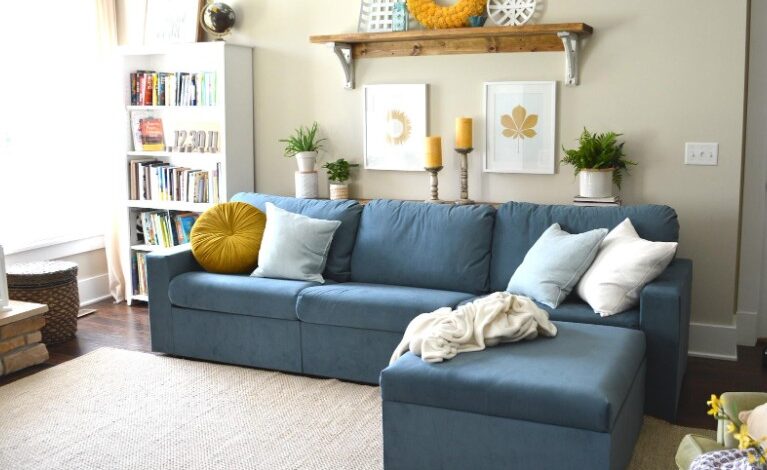
Shoppers now ask if a piece will actually survive a decade of daily use. A cosy loveseat sofa from Home Reserve answers those practical questions directly, offering machine-washable covers that handle spilt juice and hidden storage under every cushion. Purchasing a durable anchor piece represents a calculated decision to solve space constraints rather than an impulsive retail splurge.
Treating heavy-use furniture as a decade-long utility helps households spend less money over time while maintaining a higher baseline of daily comfort. The economic case for staying indoors eventually extends beyond furniture. It pushes residents to find engaging activities that replace passive screen time.
| Key Insight: Buying durable, warranty-backed furniture as a decade-long utility saves money over disposable alternatives while raising everyday comfort permanently. |
2. Crafting Is the New Scroll
The current domestic craft hobbies trend has shifted evening routines away from digital scrolling and toward tactile activities like knitting, ceramics, and embroidery. Crafters adopt these new habits to build physical skills. Replacing a glowing screen with textured yarn provides an immediate physical contrast to endless digital consumption.
The crochet trend adults are embracing specifically highlights this desire for tactile focus. Beginners frequently worry about buying the wrong supplies or misinterpreting complex paper patterns before they even cast on their first stitch.
If you feel tempted but uncertain where to begin, The Woobles’ whimsical crochet kits for beginners resolve that hesitation. Every character package arrives with a pre-started piece to bypass the most frustrating early steps alongside video tutorials that walk through basic stitches at a manageable pace.
You only need an hour of free time and a single hook. Practising these repetitive motions actively lowers evening heart rates while yielding a physical reward. A broader psychological shift fundamentally changed how residents viewed their physical addresses well before they started rethinking their evening hobbies.
3. The Pandemic Changed What Home Means
The widespread adoption of the nesting trend home mindset traces back to a massive post-pandemic reassessment of daily schedules and geographic priorities. Rigid office commutes and mandatory restaurant reservations gave way to dedicated remote workspaces, with remote working rates remaining as high as 42 per cent in some national surveys.
Millions of people discovered they preferred the slower domestic rhythm and intentionally maintained it after public restrictions lifted.
Many realised they did not miss the highway traffic or the crowded venue lines. This values realignment proved that residential spaces could meet substantial social needs previously outsourced to commercial venues.
People began upgrading their kitchen equipment to replicate restaurant meals and investing in outdoor patio heaters to extend the backyard hosting season.
4. Home Became the Hobby
Residents actively rearrange furniture to test new traffic flows or experiment with indoor plant propagation, since studies confirm the stress-reducing effect of small-scale greenery. They swap seasonal textiles to alter a room’s daily functionality.
The adoption of slow living home décor encourages thoughtful layout choices over fast retail purchases. Spending an afternoon painting an accent wall or installing new cabinet hardware provides immediate visual gratification.
This behaviour is highly visible among urban renters and small-space dwellers who pour creative investment into limited square footage.
A single studio apartment transforms into a modular laboratory for testing lighting configurations, mounting vertical storage, and dividing functional zones. Renters utilise temporary wallpaper and tension rods to customise units without losing their security deposits.
5. Social Media Made Aesthetics Personal
Visual platforms stripped away the traditional gatekeeping of interior design by showcasing accessible spaces instead of staged commercial showrooms. Scrolling past a realistically scaled apartment triggers a creative urge that drives tangible spending decisions on lighting fixtures and modular shelving.
These networks give renters a practical visual vocabulary for organising their own floor plans. Seeing how another user styles a narrow hallway prompts immediate changes in similar physical spaces.
The persistent visibility of slow living home décor across these networks steers buyers toward considered objects that support daily habits. People now purchase specific hardware, washable rugs, and textured throws with a clear intention.
Instead of grabbing whatever the nearest big-box store happens to stock, they curate individual pieces that perfectly match their desired morning routines.
6. Feeling at Home Actually Matters
Researchers who study how physical environments affect mood have long noted that spaces shaped by personal meaning actively reduce low-grade stress. Walking into a room where you personally selected the task lighting, arranged the seating, and organised the shelves creates a measurable psychological buffer against external demands.
Small details like custom shelving or a carefully placed reading chair ground the space. Organising a chaotic entryway closet immediately lowers the friction of leaving the house the next morning.
| Quote: Walking into a room where you personally chose the lighting, arranged the seating, and organised the shelves creates a measurable psychological buffer against external demands. |
The Bottom Line
Anchoring a living room with a modular sofa designed to survive daily spills establishes a permanent foundation for physical comfort.
Spending an evening with a single hook and a small yarn character taking shape in your hands converts passive scrolling time into tangible production. One piece of furniture bought specifically for longevity easily outlasts three disposable replacements.
One dedicated craft session yields a finished object alongside the quiet satisfaction of building a new skill. Treating the home as a venue for practical comfort and hands-on creativity establishes a sustainable alternative to constantly outsourcing your leisure time.
Also Read
- How to Make Garden Maintenance Feel Less Like a Weekend Chore
- Rose Uniacke: The Quiet Luxury Designer Shaping Britain’s Most Elegant Homes
- Laura Gallacher: The Creative Power Behind The Joy Journal and a Life of Mindful Play
- The Life and Career of Tara Franklin: Expert in Antiques and Textile Restoration
- Jo Roberts: From Artist to Beloved Antiques Expert on The Bidding Room
- Why is Touring a Model Home Worth It Before You Build?