Why Consumers Are Investing More in Daily Beauty Routines
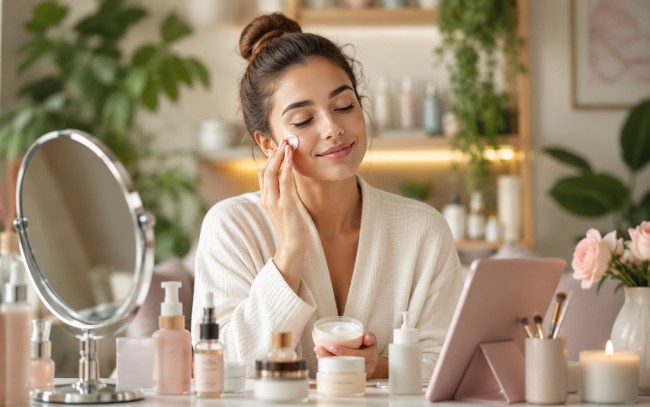
Beauty routines have evolved far beyond simple grooming habits. Across global markets, consumers are dedicating more time, attention and spending to products that form part of their daily personal care rituals. From skincare and cosmetics to fragrance and wellness-focused beauty products, the category continues to attract strong demand despite broader economic pressures affecting discretionary spending.
The trend reflects changing consumer priorities. Rather than viewing beauty as an occasional indulgence, many people now see it as an important part of their daily lifestyle. This shift has created significant opportunities for brands while reshaping the wider beauty industry.
Industry analysts point to a combination of factors behind the growth, including increased awareness of personal wellbeing, the influence of digital platforms and changing attitudes towards self-care. Together, these developments are encouraging consumers to treat beauty routines as long-term investments rather than short-term purchases.
Beauty Is Increasingly Linked to Wellbeing
One of the most significant changes in consumer behaviour is the growing connection between beauty and wellbeing. For many consumers, daily beauty routines now serve a purpose beyond appearance. Applying skincare products, using fragrance or following a structured morning routine can contribute to feelings of confidence, organisation and personal wellbeing.
This shift reflects a broader cultural focus on self-care. Consumers are paying greater attention to habits that support both physical and emotional wellbeing, and beauty products have become part of that conversation.
As a result, purchasing decisions are increasingly influenced by how products make consumers feel rather than simply how they look. This has encouraged brands to focus on experience, comfort and personal satisfaction alongside traditional beauty benefits.
Consumers Have More Access to Information Than Ever Before
The digital landscape has transformed the way people discover, evaluate and purchase beauty products. Consumers now have access to product reviews, expert recommendations, ingredient breakdowns and tutorial content from around the world. This increased transparency has created a more informed customer base that is often willing to invest in products after conducting extensive research.
Online beauty communities also play a major role in shaping purchasing decisions. Consumers frequently seek advice from content creators, industry professionals and fellow shoppers before adding products to their routines.
The growth of specialist online retailers has further expanded access to beauty products and industry insights. Consumers looking to explore fragrance, skincare and cosmetic trends can find extensive information and product selections through platforms such as parfumdreams, which reflects the increasing role of digital retail within the beauty sector.
Quality Is Taking Priority Over Quantity
Consumer attitudes towards spending have changed noticeably in recent years. Rather than purchasing large numbers of products, many shoppers are focusing on fewer items that offer higher quality, proven performance and greater long-term value. This approach has become particularly visible within skincare and premium beauty categories.
Consumers are paying closer attention to ingredients, product development and brand credibility before making purchases. Products that demonstrate effectiveness and consistency often attract stronger loyalty than trend-driven alternatives.
The emphasis on quality has encouraged beauty brands to invest more heavily in research, innovation and consumer education. In turn, buyers have become increasingly comfortable paying premium prices for products they believe will deliver meaningful results.
Social Media Has Changed Beauty Culture
Social media continues to influence how consumers engage with beauty products and routines. Platforms such as Instagram, TikTok and YouTube have transformed beauty from a personal activity into a highly visible cultural conversation. New product launches, tutorials and recommendations can reach millions of consumers within hours.
The impact extends beyond purchasing decisions. Social media has also increased awareness of skincare, ingredient knowledge and beauty techniques, encouraging consumers to develop more sophisticated routines.
At the same time, users are becoming more selective about the advice they follow. Rather than responding to traditional advertising alone, many consumers prefer recommendations from trusted creators, experts and community members.
This evolution has shifted the balance of influence within the beauty industry, making authenticity and credibility increasingly important.
Personalisation Is Reshaping Consumer Expectations
Modern consumers expect products and experiences that reflect their individual needs. Beauty brands are responding by offering more personalised recommendations, tailored product ranges and customised shopping experiences. Advances in digital technology have made it easier for consumers to identify products suited to their skin type, preferences and lifestyle.
This level of personalisation appeals to consumers who want solutions designed around their specific concerns rather than generic products aimed at broad audiences.
The growing demand for customised experiences reflects a wider consumer trend that extends beyond beauty into fashion, wellness and retail more broadly.
Beauty Spending Reflects Long-Term Lifestyle Choices
The continued growth of daily beauty routines suggests that consumers increasingly view beauty spending as part of a wider lifestyle strategy.
Products are often chosen not only for immediate results but also for how they fit into long-term goals related to confidence, self-care and personal presentation. This perspective has contributed to stronger demand for products that support consistent daily use.
Many consumers are building routines that combine skincare, cosmetics, fragrance and wellness products into a broader approach to personal care. This integrated mindset has helped strengthen the beauty sector’s position within the consumer economy.
Rather than being viewed as optional purchases, many beauty products are now regarded as essential components of everyday life.
What the Trend Means for the Industry
The growing investment in daily beauty routines reflects deeper changes in consumer priorities. Buyers are placing greater value on quality, wellbeing, education and personalisation, creating opportunities for brands that can meet those expectations.
At the same time, digital platforms continue to make beauty information more accessible, helping consumers make informed purchasing decisions while encouraging greater engagement with products and brands.
As beauty routines become increasingly embedded within daily lifestyles, the industry’s future is likely to be shaped by trust, innovation and consumer experience. For millions of consumers, beauty is no longer simply about appearance. It has become part of how they care for themselves, present themselves and navigate everyday life.